4 min read
Deepfakes Are the New Phishing Threat: How SMBs Can Stay Ahead with an MSP
 Sagiss, LLC
Published: December 11, 2025 Updated: February 18, 2026
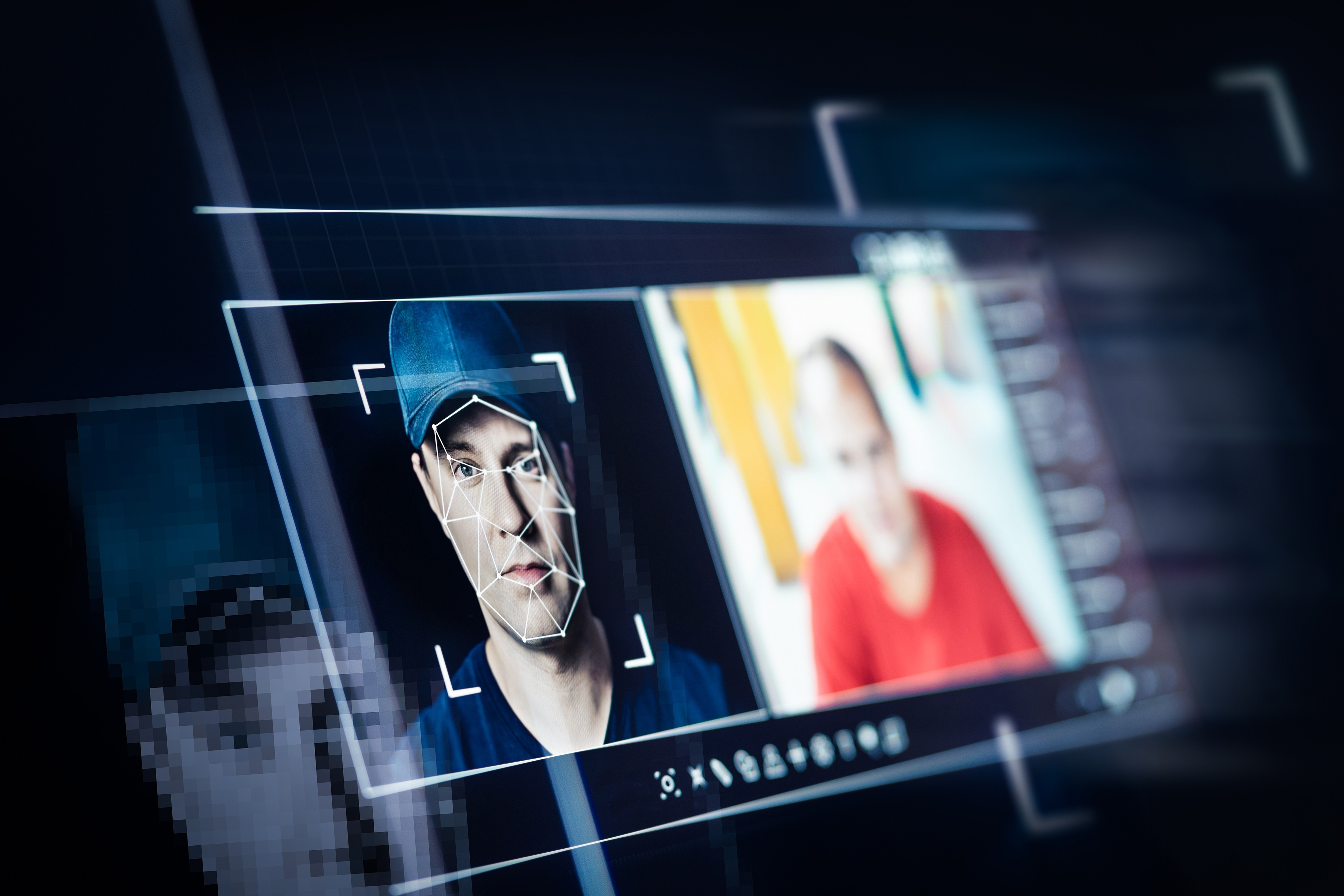
Cybersecurity threats are evolving rapidly. One of the most alarming developments in recent years is the rise of deepfakes. This AI-generated audio and video content mimics real people with a high degree of realism. While deepfakes have drawn headlines for political misinformation and celebrity hoaxes, they are now being weaponized for cybercrime. Small and midsize businesses (SMBs) are increasingly vulnerable as cybercriminals use deepfake technology to enhance phishing, impersonation, and ransomware attacks.
Organizations that once relied on employee intuition to detect suspicious messages are now facing highly convincing audio and video deceptions. These attacks are difficult to identify, especially when they imitate trusted contacts. Without strong security tools, clear processes, and proactive monitoring, SMBs may find themselves outmatched by the sophistication of modern threats.
Managed Service Providers (MSPs) play a critical role in helping businesses adapt. A trusted MSP brings the expertise and tools needed to defend against evolving attack methods, including deepfakes, through managed security services. With the right support, SMBs can remain protected, informed, and resilient in the face of AI-enhanced deception.
The Deepfake Threat Is No Longer Theoretical
Deepfake technology uses artificial intelligence to create realistic simulations of real people’s voices, faces, and speech patterns. These simulations can be used in video calls, voicemail messages, or pre-recorded media. When used maliciously, they are capable of deceiving even the most cautious employee.
In recent incidents, cybercriminals have impersonated executives to trick staff into transferring funds or sharing login credentials. A single well-crafted video or audio file can bypass traditional phishing filters and trigger urgent actions from employees who believe they are following direct instructions from a senior leader. In one incident, a finance worker was tricked into paying out $25 million to cybercriminals.
The cost of these attacks can be astronomical, and the risk is no longer limited to large enterprises. SMBs, often with leaner security protocols, have become attractive targets.
Why SMBs Are Especially Vulnerable
Many small and mid-sized businesses lack the infrastructure to detect or respond to deepfake attacks. Without advanced authentication systems or behavior-based threat detection, a convincing audio message could easily slip through.
Employees in SMBs tend to wear multiple hats. A busy operations manager may receive a voice message that appears to come from the CEO, requesting a wire transfer or urgent password reset. Without built-in verification tools or a clear protocol for confirming sensitive requests, the risk of compliance is high.
Smaller businesses also face limitations in training, budget, and staffing. IT teams may be too small to monitor every channel for threats or may rely on outdated filters that do not catch AI-generated content. These challenges make SMBs an ideal target for attackers who are using automation and deception to their advantage.
How an MSP Enhances Protection Against Deepfakes
A Managed Service Provider like Sagiss provides multi-layered defense that helps close the security gaps exploited by deepfake tactics. With a blend of technology, training, and proactive monitoring, MSPs give SMBs the tools to respond confidently to new and emerging threats.
1. Email and Communication Filtering
Modern phishing detection systems use AI and machine learning to analyze sender behavior, detect anomalies, and scan attachments or links for signs of fraud. An MSP ensures that these filters are properly configured and regularly updated to catch advanced impersonation attempts.
2. Multi-Factor Authentication (MFA)
MFA adds a critical layer of security to prevent unauthorized access. Even if a deepfake tricks an employee into sharing login details, MFA can stop the attacker from completing the breach. MSPs help enforce MFA across systems and devices.
3. Security Awareness Training
Human error is still a major factor in cybersecurity incidents. MSPs offer tailored training that teaches employees how to recognize modern threats, including deepfakes. Staff learn to verify requests, question suspicious messages, and follow clear procedures before taking action.
4. Behavior-Based Threat Detection
Some attacks will bypass filters or appear legitimate at first glance. MSPs use behavior-based tools that look for unusual activity, such as login attempts from unfamiliar locations or large file transfers. These tools flag incidents for investigation before damage occurs.
5. Incident Response and Recovery
When an attack occurs, response time matters. MSPs provide 24/7 monitoring and incident response, helping businesses contain threats quickly. They also offer backup and recovery systems that restore data in the event of ransomware or other cyber incidents.
Staying Ahead of AI-Powered Attacks
Cybercriminals continue to evolve their tactics. Deepfakes are just one part of a broader shift toward AI-enhanced threats. To stay ahead, SMBs need support that can adapt as fast as the threat landscape changes.
An MSP continuously monitors cybersecurity trends and updates defense strategies to match. This allows businesses to shift from reactive protection to proactive defense. By staying current on threat intelligence and new tools, an MSP helps ensure that security measures remain effective over time.
In addition to threat response, MSPs also guide strategic planning. As companies adopt tools like AI, automation, or cloud collaboration platforms, security must evolve in parallel. A managed provider helps assess risk, enforce policies, and ensure that innovation does not open new vulnerabilities.
Building a Culture of Verification and Trust
Technology plays a major role in defending against deepfakes, but employee behavior also matters. A workplace culture that encourages verification and caution can reduce the likelihood of successful deception.
MSPs support this shift by helping implement formal approval processes, identity verification tools, and standardized workflows. For example, a financial transaction may require dual approval or confirmation via a secure app rather than a voice message. These small changes can make a big difference in preventing fraud.
Employees should feel empowered to pause, verify, and ask questions when something seems off. Over time, this mindset strengthens the organization’s overall security posture.
Moving Forward With Confidence
The deepfake threat represents a new chapter in cybersecurity. As technology becomes more advanced, so do the methods used by those who want to exploit it. Businesses cannot afford to ignore this shift. Clear processes, strong tools, and trusted support are key to navigating the risks.
Working with an MSP for managed security gives SMBs enterprise-level protection without the cost or complexity of building an in-house security team. From monitoring and detection to training and incident response, the right partner makes it easier to face modern threats with confidence.
As cybercriminals continue to adapt, so must the defenses that keep businesses safe. Deepfakes may be convincing, but with the right strategy and support in place, their impact can be contained. To learn how Sagiss can protect you from this emerging threat, schedule a consultation with our experts.